 Melissa's Botanicals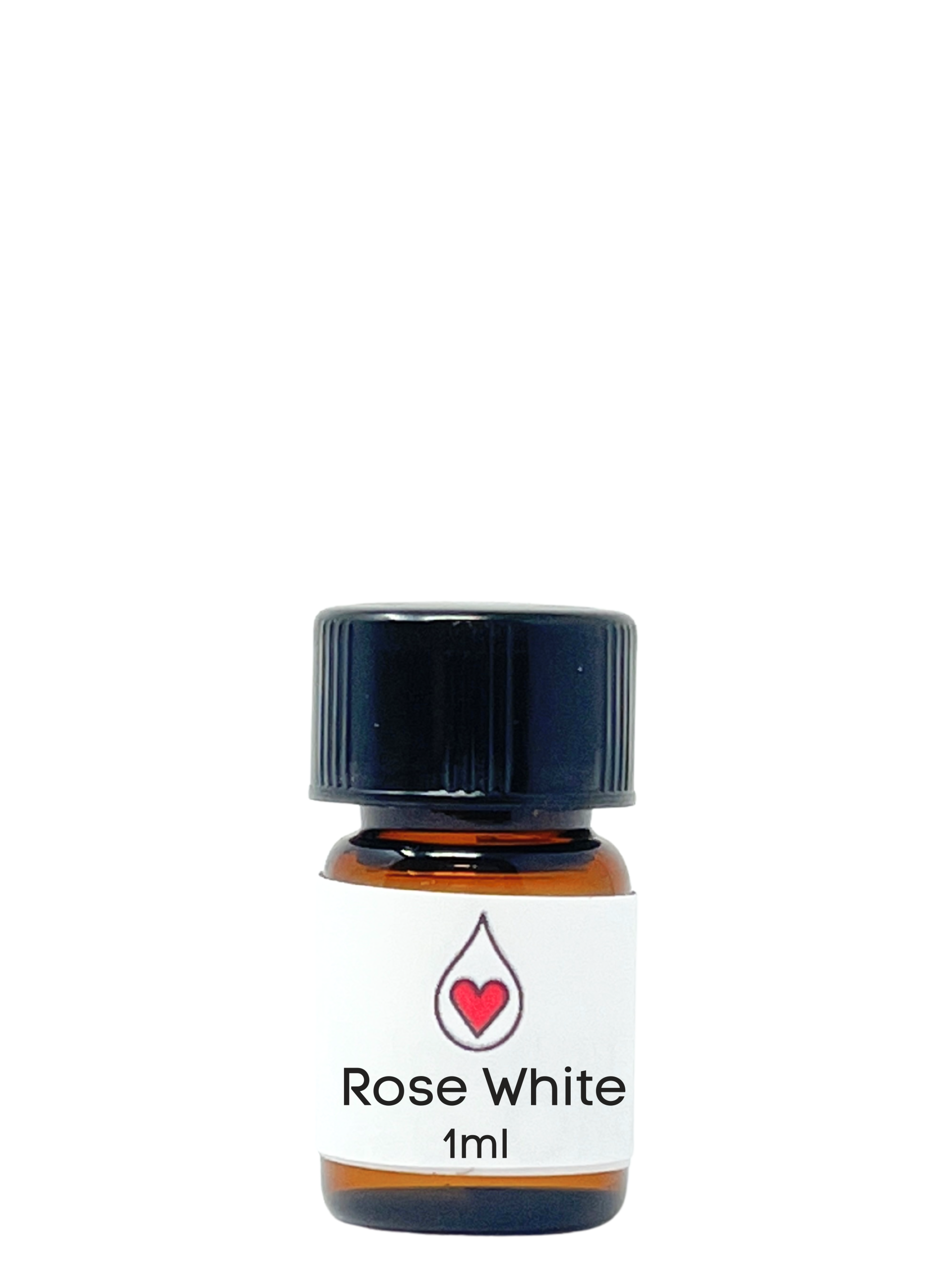

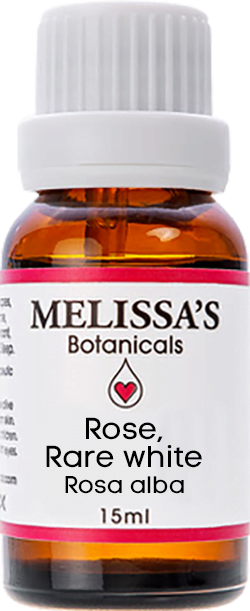
Rose, Rare White
Rosa alba from The Rose Valley of Kazanlak, Bulgaria
About
White Rose Essential Oil . Bulgarian Rosa alba
Bulgarian White Rose Essential Oil
A Rare Gem in French Medical Aromatherapy
In the world of essential oils, few flowers command the reverence and complexity of the rose.
Among them, Bulgarian White Rose (Rosa alba) stands apart as a rare and extraordinary
variation, prized for its delicate scent, skin-soothing qualities, and emotionally uplifting
properties.
Unlike the more commonly known Rose Otto (Rosa damascena), which is distilled from pink
Damask roses, Bulgarian White Rose is obtained from the petals of the alba variety—often
referred to as the “white queen” of roses. While both types are cultivated in the famed Rose
Valley of Bulgaria, their profiles differ significantly in aroma, chemistry, and therapeutic
application.
Key Bulgarian White Rose Essential Oil
A Rare Gem in French Medical Aromatherapy
In the world of essential oils, few flowers command the reverence and complexity of the rose.
Among them, Bulgarian White Rose (Rosa alba) stands apart as a rare and extraordinary
variation, prized for its delicate scent, skin-soothing qualities, and emotionally uplifting
properties.
Unlike the more commonly known Rose Otto (Rosa damascena), which is distilled from pink
Damask roses, Bulgarian White Rose is obtained from the petals of the alba variety—often
referred to as the “white queen” of roses. While both types are cultivated in the famed Rose
Valley of Bulgaria, their profiles differDifferences Between White Rose and Rose Otto:
Feature Bulgarian White Rose (Rosa alba) Rose Otto (Rosa damascena)
Color of Petals White or pale ivory Deep pink
Aromatic Profile Light, airy, and slightly green Rich, floral, honey-like
Yield Lower yield; more delicate Higher yield
Cost Typically more expensive Expensive but more available
Primary Use Emotional balance, fine skincare Heart support, hormone balance
Bulgarian White Rose produces a subtler, more refined scent—soft and ethereal, less assertively
floral than Rose Otto. This makes it particularly suitable for sensitive individuals and highfrequency
emotional or energetic work.
Use in French Medical Aromatherapy
In aromathérapie médicale as practiced in France, Rosa alba is regarded not merely as a luxury
oil but as a clinical tool—especially when emotional trauma, deep grief, or psychosomatic
distress underlie physical symptoms. French pharmacists may recommend it:
• Sublingually, diluted in honey or on a sugar cube, for calming anxiety or supporting the
heart chakra during mourning or spiritual distress.
• Dermally, as a powerful skin restorative—used in minute amounts blended into creams
or serums to treat rosacea, fragile capillaries, or premature aging.
• Diffused, for restoring serenity in trauma recovery rooms or hospice settings.
• Internally (with medical guidance), in microdoses to support neuroendocrine harmony.
Botanical Classification
- Botanical name; Genus and Species. Rosa alba. (Alba translates to white in Latin)
- Common name: Bulgarian White Rose
- Plant family: Rosaceae
- Part used: Hans-picked Fresh petals, ALWAYS AND ONLY HAND PICKED AT CRITICAL BLOOM at 5am Starting at the crack to dawn;
- a staggering 4 weeks of. pihand pickingg at about 2.5 Euro per kilo. I think surppisily k
- Extraction method: Steam distillation
- Country of origin: Bulgaria (Rose Valley)
General Description
Bulgarian White Rose (Rosa alba) essential oil is a rare and highly refined aromatic extract used in clinical and hospital-based aromatherapy, particularly within the framework of French medical aromatherapy (aromathérapie médicale).
Distinct from the more widely known Rose Otto (Rosa damascena), Rosa alba produces an essential oil with a lighter, greener, and more restrained aromatic profile. Its therapeutic action is gentler and often better tolerated in medically fragile, emotionally sensitive, or elderly patient populations.
Due to extremely low yield, Bulgarian White Rose essential oil is produced in very limited quantities, requiring millions of blossoms for small volumes of oil.
Chemical Profile
Bulgarian White Rose shares several chemical constituents with Rose Otto, though typically in differing proportions and expression. Major constituents may include:
- Citronellol
- Geraniol
- Nerol
- Phenyl ethyl alcohol (trace amounts, depending on distillation)
- Farnesol
- Trace sesquiterpenes and aldehydes
The overall chemical expression is less intense than Rosa damascena, contributing to its softer physiological and psychological impact.
Pharmacological Actions
- Mild anxiolytic
- Nervous system modulator
- Neuroendocrine support
- Anti-inflammatory (topical, low-grade)
- Capillary tonic
- Emotional stabilizer
Clinical Context & Hospital Use
In hospital and integrative medicine settings, Bulgarian White Rose is most often employed in:
- Palliative care units
- Oncology support programs
- Trauma recovery protocols
- Cardiovascular stress management
- Hospice and end-of-life emotional support
French pharmacists and clinicians value Rosa alba for its ability to bridge emotional and physical care, offering comfort without sedation or overstimulation.
Summary
Bulgarian White Rose (Rosa alba) is not simply a lighter version of Rose Otto; it is a distinct therapeutic agent with unique clinical value. Its refined chemical expression, gentle pharmacological action, and emotional depth make it particularly well suited for hospital-based aromatherapy, hospice care, and emotionally sensitive patients.
In clinical practice, it serves as a heart-centered medicine—quiet, stabilizing, and profoundly restorative.
Uses
Clinical Indications
Emotional & Psychological Support
Bulgarian White Rose is primarily used in hospital and clinical settings for:
- Grief and bereavement
- Emotional shock or trauma
- Anxiety with cardiovascular involvement
- Emotional withdrawal in palliative or hospice care
- Stress-related neuroendocrine imbalance
Its gentle action makes it especially appropriate when stronger essential oils may be overstimulating or poorly tolerated.
Dermatological Applications
In topical clinical formulations, Bulgarian White Rose may be used to support:
- Fragile or aging skin
- Rosacea and couperose
- Broken capillaries
- Post-procedural skin recovery
- Stress-related inflammatory skin conditions
Clinical Use & Administration
Inhalation / Diffusion
- 1–3 drops in a diffuser or inhalation device
- Used in patient rooms, hospice settings, or trauma recovery environments
- Particularly beneficial for emotional regulation and calming
Topical Application
- Dilution: 0.1–0.5% (1 drop per 5–10 ml carrier)
- Application areas: chest, heart area, facial formulations, wrists
- Used in clinical creams, serums, or compresses
Sublingual Use
- 1 drop diluted in honey or on a neutral substrate
- Used under professional supervision
- Indicated for acute emotional distress or shock
Internal Use
- Microdoses only
- Reserved for physician- or pharmacist-supervised protocols
- Used in French medical aromatherapy to support neuroendocrine balance
How Does It Work
- Astringent- Contracts, firms and strengthens skin and other tissues. Reduces secretions.
- Neat – to apply undiluted, directly on the skin
- Vulnerary – Protects and promotes skin healing, cell regenerative.
- Rose oil solidifies into a wax at colder temperatures. To use, warm in pocket for a few minutes to liquefy.
Practical Applications
Click on icon below for directions
- B Bath
- C Compress
- D Diffuser
- I Inhalation
- M Massage
- P Perfume
- S Skincare
- N Neat
- F Food/Flavoring
- T Therapeutic
View Our Usage Guide for More Information
Melissa’s Botanicals Rose Otto is completely safe for internal use in tiny amounts.
Cautions: none known
Ingredients & Sourcing
100% Pure therapeutic Bulgarian Rose Otto
Botanical name: Rosa damascena
Source: Enio Bonchev, Kazanlak Rose Valley, Bulgaria
All Melissa’s Botanicals products are GRAS – Generally regarded as safe.
Cautions
Safety & Contraindications
- Non-sensitizing when properly diluted
- Generally well tolerated, even in sensitive populations
- Avoid internal use without professional guidance
• Use caution in pregnancy unless directed by a qualified practitioner
Tips
Clinical Pairings
Bulgarian White Rose is frequently paired with:
- Neroli (Citrus aurantium var. amara) – emotional trauma, anxiety
- Helichrysum italicum – shock, grief, cardiovascular support
- Lavandula angustifolia – nervous system regulation
- Frankincense (Boswellia spp.) – spiritual and emotional grounding
Rose waxes solidify at cold temperatures. Warm in pocket to liquefy and use.